







Physiotherapist's recommendations
Arthritis: Types, Symptoms and How to Relieve Joint Pain

Mar
Joint pain can make walking, standing up, working with your hands, exercising and even sleeping more difficult. However, not all joint pain represents the same diagnosis. Arthritis is not one specific disease – it is a broad term for different conditions that affect the joints and may cause pain, stiffness, swelling and restricted movement.
Osteoarthritis, rheumatoid arthritis and gout can cause similar complaints, but their underlying causes and treatment are very different. In osteoarthritis, gradual load management and exercise are often central to treatment, while inflammatory arthritis may require timely assessment by a rheumatologist and disease-modifying medication.
For this reason, relieving arthritis pain should begin not with a randomly selected treatment or support product, but with understanding what is causing the symptoms.
What is arthritis?
Arthritis is a general term for conditions affecting one or more joints. Depending on the type of arthritis, changes may involve the joint cartilage, bone, joint capsule, synovial lining, tendons and surrounding muscles.
Common signs and symptoms include:
- pain during movement or at rest;
- joint stiffness;
- swelling;
- a sensation of warmth or heat around the joint;
- reduced range of motion;
- reduced muscle strength;
- difficulty performing everyday activities.
Arthritis symptoms may develop gradually or begin suddenly. They may persist over a long period, periodically worsen or settle. The pattern of symptoms is one of the factors that helps a doctor determine the possible type of arthritis.
Common types of arthritis
Osteoarthritis
Osteoarthritis is the most common form of arthritis. It is not simply the result of cartilage “wear and tear”, but involves gradual changes throughout the joint, including the cartilage, bone, joint capsule and surrounding muscles.
Osteoarthritis most commonly affects:
- the knees;
- the hips;
- the joints of the hands and fingers;
- the feet;
- the joints of the spine.
Typical symptoms include pain during or after physical activity, short-lasting stiffness after a period of rest and gradual restriction of movement. Symptoms do not always correspond directly with changes seen on an X-ray – significant structural changes may cause relatively few symptoms, while smaller changes can sometimes have a considerable effect on everyday function.
In people aged 45 and over, osteoarthritis can often be diagnosed clinically when pain is related to activity and morning stiffness lasts no longer than approximately 30 minutes. An X-ray is not automatically necessary for every person unless symptoms are atypical or another diagnosis is suspected.
Rheumatoid arthritis
Rheumatoid arthritis is an autoimmune inflammatory disease. The immune system mistakenly attacks tissues within the joints, causing persistent inflammation. Without appropriate treatment, it can damage the joints and may also affect other systems in the body.
Features that may occur with rheumatoid arthritis include:
- swelling in several joints;
- involvement of the small joints of the hands and feet;
- pronounced morning stiffness;
- similar symptoms on both sides of the body;
- fatigue and reduced energy;
- periodic disease flares.
If several joints, or the small joints of the hands and feet, remain swollen for a prolonged period, timely medical and rheumatology assessment is important. Normal inflammatory markers or negative antibody tests do not completely exclude rheumatoid arthritis. Early diagnosis and treatment can reduce the risk of joint damage and functional limitation.
Gout
Gout is a crystal-induced form of arthritis. When uric acid levels are elevated, urate crystals can form within or around a joint and trigger a sudden and very painful inflammatory attack.
Typical symptoms include:
- sudden, severe pain;
- joint swelling;
- redness and heat;
- marked sensitivity even to light touch;
- symptoms beginning during the night or early morning.
Gout commonly affects the joint at the base of the big toe, but it may also affect the foot, ankle, knee, hand, elbow and other joints. Different medications may be required for treating an acute attack and for preventing future attacks.
Psoriatic arthritis
Psoriatic arthritis is an inflammatory joint disease that can occur in people with psoriasis. In some cases, joint symptoms begin before obvious skin changes appear.
It can affect the fingers, toes, knees and other joints, as well as the areas where tendons attach to bone. Some people develop swelling of an entire finger or toe. If a person with psoriasis develops joint swelling, persistent stiffness or pain around tendon attachment sites, medical assessment is recommended.
Reactive arthritis
Reactive arthritis can develop following an infection, commonly involving the gastrointestinal or genitourinary system. The original infection may already have resolved by the time joint pain and swelling begin.
In addition to joint symptoms, some people may develop eye inflammation, pronounced fatigue or other symptoms. If joint pain developed after a recent infection, this should be mentioned to the doctor.
How do the symptoms of different types of arthritis differ?
| Feature | Osteoarthritis | Rheumatoid arthritis | Gout |
|---|---|---|---|
| Onset of symptoms | Usually gradual | May develop gradually or relatively quickly | Often very sudden |
| Pain | More commonly associated with physical loading | Often pronounced after periods of rest as well | Very severe, often in one joint |
| Morning stiffness | Usually shorter-lasting | Often longer-lasting | Movement may be extremely painful during an acute attack |
| Swelling | May be mild or intermittent | Often persistent and affects several joints | Pronounced, hot and red |
| Commonly affected joints | Knees, hips, hands and feet | Small joints of the hands and feet | Big toe, foot, ankle and knee |
| Main treatment approach | Exercise, load management and symptom control | Medication prescribed by a rheumatologist together with rehabilitation | Treatment of acute attacks and long-term uric acid management |
This table is not intended for self-diagnosis. Different types of arthritis may exist at the same time, and symptoms do not always follow a textbook pattern.
How is arthritis diagnosed?
Diagnosis begins with discussing the symptoms and examining the affected joints. A doctor may ask:
- when the pain began;
- whether it is related to physical activity;
- how long morning stiffness lasts;
- whether the joint becomes swollen or hot;
- whether symptoms affect one or several joints;
- whether there has been a recent injury or infection;
- whether there is a personal or family history of psoriasis, gout or inflammatory disease.
Depending on the situation, blood tests, X-rays, ultrasound, magnetic resonance imaging or analysis of joint fluid may be required. For example, synovial fluid analysis can help distinguish gout from an infection.
With osteoarthritis, imaging findings should not be the only factor determining treatment. Pain, joint mobility, muscle strength and the effect of the condition on everyday function should also be considered.
How can arthritis pain be reduced?
The most appropriate way to manage arthritis pain depends on the diagnosis. There is no single treatment that is suitable for every type of arthritis.
1. Identify the type of arthritis
For osteoarthritis, exercise and appropriate load management are fundamental parts of treatment. In rheumatoid or psoriatic arthritis, exercise is also important, but it does not replace disease-modifying treatment prescribed by a rheumatologist.
Similarly, gout cannot usually be managed only by changing diet or applying a cold pack. Treatment of an acute attack and long-term management of uric acid levels may both be required.
2. Maintain regular and appropriate movement
Fear of pain can sometimes cause people to stop moving. This may initially feel easier, but prolonged reduction in activity can weaken muscles, impair balance and reduce the joint’s ability to tolerate physical loading.
For people with osteoarthritis, individually tailored therapeutic exercise is recommended, including local muscle strengthening and aerobic exercise. When exercise is first introduced, pain may temporarily increase, but regular and consistent activity can improve function and quality of life and reduce symptoms over time.
Depending on the affected joint, a programme may include:
- muscle-strengthening exercises;
- joint mobility exercises;
- walking or Nordic walking;
- exercise cycling;
- aquatic exercise;
- balance exercises;
- practice of everyday movements such as standing up or using stairs.
The exercise programme does not need to be made as difficult as possible. Consistency and a predictable response to loading are more important.
3. Adjust the load rather than avoiding it completely
During a flare in arthritis symptoms, it may be necessary to temporarily reduce the amount of loading, number of repetitions or range of motion. This does not mean that the joint should automatically be completely immobilised.
Practical strategies may include:
- dividing a large task into several shorter periods;
- alternating physical activity with periods of rest;
- avoiding sudden increases in physical loading;
- maintaining gentle and tolerable movement;
- gradually returning to usual activity.
If symptoms increase substantially after an activity and have not returned to their usual level by the following day, the next session can be reduced.
4. Weight management when appropriate
For people with knee or hip osteoarthritis who are living with overweight or obesity, reducing body weight can improve physical function and quality of life and reduce pain.
NICE guidance states that any achieved weight loss is likely to be beneficial, while losing approximately 10% of body weight is generally likely to provide greater benefit than losing 5%. The target should be realistic and achievable rather than based on rapid dieting.
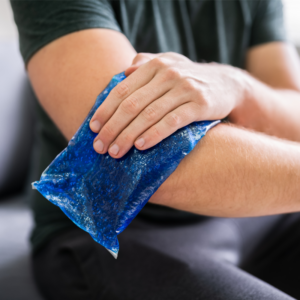
5. Cold and heat for symptom management
A cold pack may provide short-term relief if a joint becomes swollen, hot or particularly sensitive after activity. Cold should not be applied directly to the skin.
Heat can help some people reduce stiffness and make it easier to begin moving, particularly in the morning. However, heat may not be the most appropriate choice for a markedly hot and swollen joint.
Cold and heat may improve comfort, but they do not treat the underlying cause of arthritis and do not replace movement or appropriate medical treatment.
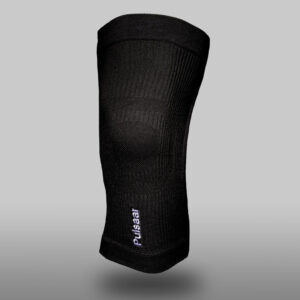
6. Orthoses and walking aids
An orthosis, walking stick or another mobility aid may be useful when there is:
- joint instability;
- pronounced asymmetrical loading;
- difficulty walking safely;
- a need to temporarily reduce loading;
- pain that prevents rehabilitation exercises from being performed effectively.
For lower-limb osteoarthritis, a walking stick or another walking aid may be considered. Orthoses, insoles and taping are not automatically necessary for everyone. They are more appropriate when there is a specific functional problem and the device genuinely improves movement or function.
An assistive device should not be the only treatment. Whenever possible, it should be combined with an appropriate strength and mobility programme.
7. Medication should be selected individually
The choice of medication depends on the type of arthritis, the affected joint, other medical conditions and medications already being used.
For osteoarthritis, international NICE guidance recommends:
- considering a topical non-steroidal anti-inflammatory drug (NSAID) for knee osteoarthritis;
- carefully assessing oral NSAIDs because of gastrointestinal, kidney, liver and cardiovascular risks;
- using the lowest effective dose for the shortest possible period;
- not routinely offering paracetamol or weak opioids unless other options are unsuitable;
- not using strong opioids to manage osteoarthritis.
NSAIDs are not suitable for everyone. Consult a doctor or pharmacist before using them, particularly if you have a history of stomach ulcers, kidney disease, cardiovascular problems, are pregnant or take blood-thinning medication.
8. Not all injections are the same
An intra-articular corticosteroid injection may be considered for osteoarthritis when other pain-relieving treatments are unsuitable or when short-term pain reduction is needed to allow a person to participate more effectively in rehabilitation. Its effect is usually temporary.
NICE guidance does not recommend routine intra-articular hyaluronan injections for osteoarthritis. This does not mean that practice is identical in every country or every clinical situation, but the expected benefits, risks and alternatives should be discussed with a doctor before choosing an injection.
9. Massage and manual therapy are additional treatments
Massage and joint mobilisation may temporarily reduce muscle tension and improve comfort for some people. However, they should not be presented as treatments that cure arthritis.
For hip or knee osteoarthritis, manual therapy may be considered alongside therapeutic exercise, but evidence does not support its use as the only form of treatment.
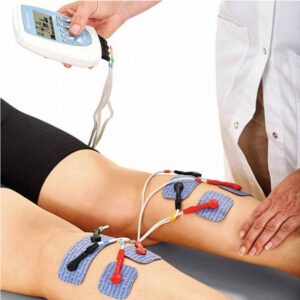
TENS and other electrotherapy approaches also cannot replace active rehabilitation. NICE osteoarthritis guidance does not recommend their routine use because evidence of a clinically meaningful benefit is not sufficiently convincing.
How can a physiotherapist help with arthritis?
A physiotherapist’s role is not simply to demonstrate a few general exercises. During an assessment, the physiotherapist may evaluate:
- the nature of the pain and movements that provoke it;
- joint swelling and mobility;
- muscle strength;
- balance and walking quality;
- the ability to stand up, use stairs or work with the hands;
- everyday and sporting loads;
- whether an assistive device is needed;
- concerns about movement and avoidance of physical activity.
After assessment, an appropriate starting level of exercise and loading can be selected. One person may initially require simple mobility exercises, while another may benefit from progressive strength training or gradually increasing walking volume.
If the physiotherapist observes marked joint inflammation or symptoms that do not resemble a typical mechanical response to loading, they may recommend assessment by a doctor or rheumatologist.
What should you avoid?
When managing arthritis, it is generally best to avoid:
- completely avoiding movement for prolonged periods;
- aggressively forcing a stiff or swollen joint through movement;
- assuming that every type of joint pain is osteoarthritis;
- replacing rheumatology treatment with dietary supplements;
- relying exclusively on massage, taping, an orthosis or electrotherapy;
- using anti-inflammatory medication for prolonged periods without appropriate medical advice;
- ignoring rapidly increasing swelling and heat within a joint.
When should you see a doctor?
A non-urgent medical consultation is recommended if:
- joint pain persists or repeatedly returns;
- several joints are swollen;
- morning stiffness is prolonged;
- joint mobility is gradually decreasing;
- pain interferes with sleep or everyday activities;
- a joint deformity develops;
- symptoms began following an infection;
- a person with psoriasis develops joint swelling.
Seek urgent medical assessment if one joint suddenly becomes extremely painful, hot and swollen, particularly if this is accompanied by fever, chills or feeling generally unwell. These symptoms can occur not only with gout but also with septic arthritis – an infection within the joint that requires prompt treatment.
Summary
Arthritis is not one disease, and there is therefore no single treatment approach that is suitable for everyone.
For osteoarthritis, the foundation of treatment generally includes:
- information and understanding of the condition and symptoms;
- individually tailored exercise;
- gradual load management;
- weight management when appropriate;
- appropriate medication for symptom control;
- in selected cases, assistive devices or surgery.
For rheumatoid, psoriatic and other forms of inflammatory arthritis, physiotherapy can help maintain mobility, strength and everyday function, but it does not replace disease-modifying medical treatment prescribed by a doctor.
The most important goal is not always to eliminate every sensation or symptom completely, but to help the person move more safely, tolerate everyday physical demands more effectively and maintain independence.
References
National Institute for Health and Care Excellence. Osteoarthritis in over 16s: diagnosis and management. NICE guideline NG226. 2022.
National Institute for Health and Care Excellence. Rheumatoid arthritis in adults: management. NICE guideline NG100. Updated 2020.
National Institute for Health and Care Excellence. Gout: diagnosis and management. NICE guideline NG219. 2022.
World Health Organization. Osteoarthritis. 2023.
World Health Organization. Rheumatoid arthritis. 2023.
Related Articles
📖 Rehabilitation Equipment for Home: What to Choose
📖 When Do You Need a Physiotherapist After a Knee Injury?
📖 Exercises to Restore Knee Stability and Strength
📖 Knee Replacement: Equipment for Rehabilitation at Home
📖 TENS Therapy for Pain Relief
Does Joint Cracking Mean That Arthritis Is Progressing?

Aigars Caune
Physiotherapist
Not necessarily. Cracking, clicking or a sensation of friction during movement can also occur without a meaningful worsening of symptoms and does not by itself show that the disease is progressing. It is more important to assess pain, swelling, mobility and everyday function. If joint cracking is accompanied by locking, sudden pain or rapidly increasing swelling, assessment by a healthcare professional is recommended.
Recommended Products

Exercise bands and espanders


For gymnastics


Equilibrium surfaces


For gymnastics
Looking for More Practical Physiotherapist Advice?
Visit our Physiotherapist Recommendations section, where you will find articles about exercise, injury prevention, pain relief, load management, rehabilitation principles and safely returning to everyday activities or sport.
View Physiotherapist Recommendations