






Physiotherapist's recommendations
Lymphatic drainage boots at home – who are they suitable for?

Jun
After a long working day or an intense training session, the legs can feel heavy, swollen and tired. This is why lymphatic drainage boots at home can be a practical option for people who want more than simple rest and are looking for targeted support for circulation, lymphatic flow and recovery.
What are lymphatic drainage boots for home use?
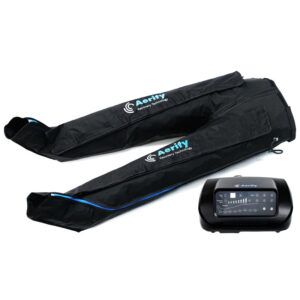
Lymphatic drainage boots are pneumatic compression devices that use air pressure to compress different areas of the legs in sequence. The pressure usually progresses from the feet upwards, supporting fluid movement and helping to reduce the sensation of congestion in the tissues.
Models designed for home use allow the procedure to be completed without complicated preparation. The user puts on the boots and selects the programme, pressure level and session duration. The principle is simple, while the effect can be very practical: the legs may feel lighter, tension can decrease and recovery after physical activity may feel more comfortable.
It is important to understand that this is not a miracle device for every situation. It is a supportive method that can be useful in selected cases, while other situations require assessment by a doctor or physiotherapist.
Who may benefit from lymphatic drainage boots at home?
These devices are most often chosen by people who regularly experience heavy legs, swelling or fatigue after prolonged standing or sitting. This includes both office workers and people who spend most of the day moving, such as retail employees, hairdressers, healthcare professionals and warehouse workers.
They are also popular among physically active people. After running, strength training (in Latvian), cycling or team sports, the legs may feel tired, tense and heavy. In these situations, sequential compression can form part of a recovery routine alongside sufficient sleep, movement, hydration and appropriately managed training load.
Lymphatic drainage boots may also be useful during rehabilitation, although additional caution is needed. Following an injury (in Latvian), surgery, pronounced swelling or problems with lymphatic drainage, use of the device should be discussed with a healthcare professional. Convenience at home is an advantage, but safety must remain the priority.
What effect can you realistically expect?
The most practical benefit is usually not a dramatic transformation, but the feeling that the legs feel lighter (in Latvian). Many users notice less puffiness around the ankles, reduced fatigue and greater comfort after a demanding day.
In sport, the main purpose is generally recovery. This does not mean that compression boots replace a well-planned recovery programme or remove every post-exercise sensation. However, they can become a useful tool, particularly when training is frequent and the quality of recovery directly affects the next session.
For people with sedentary work, the effect is more closely related to comfort and daily well-being. If the legs feel heavy in the evening, sock marks become more pronounced or there is a sensation of fluid congestion, a compression session may provide relief.
There is one important limitation. If swelling is persistent, pronounced or accompanied by pain, redness or changes affecting only one leg, the cause should be assessed first. A lymphatic drainage device should not be used to mask a potentially serious health problem.
How to choose a suitable device
When buying lymphatic drainage boots for home use, price should not be the only consideration. It is more important to understand how comfortably and safely the device can be used in your particular situation. Once the intended purpose is clear, compare the technical features and cost of the available models. An overview of options available in Latvia is provided in the article Lymphatic drainage boots in Latvia: prices and models (in Latvian).
When you are unsure whether the boots will be used regularly enough to justify a purchase, you do not need to buy a system immediately. You can first try lymphatic drainage equipment rental and assess the comfort, pressure sensation and suitability for your intended use.
Number of chambers and compression sequence
The more precisely a device can control pressure across different areas of the leg, the smoother and more targeted the procedure can feel. Simpler models may be suitable for general comfort and everyday use, while more advanced systems usually provide additional programmes and adjustment options.
Pressure adjustment
This is an important feature. Not everyone needs intensive compression. A gentler setting may be more comfortable and appropriate, especially during the first sessions. Adjustable pressure makes it easier to adapt the procedure to both personal comfort and the intended purpose.
Boot size and fit
If the boots are too small or too large, the procedure will not be optimal. Correct sizing affects both comfort and the distribution of compression. Before choosing a model, check the relevant body measurements and the manufacturer’s sizing guidance.
Ease of use
A home device should be straightforward to operate. The control unit, programmes, putting the boots on, cleaning and storage are just as important in daily life as the technical specifications. A device that is inconvenient to use may quickly end up unused in a cupboard.
How to use lymphatic drainage boots safely
Safe use begins with a simple principle: do not start at the maximum pressure merely because it appears more effective. In most cases, it is better to begin with moderate pressure and a shorter session while assessing how the legs feel during and after the procedure.
The user should remain in a comfortable position, usually reclined or lying down. The legs should be relaxed and the boots applied correctly without folds or constriction. The session should not cause pain, tingling or marked discomfort. Stop the procedure if any of these symptoms occur.
Before regular use, read the instructions supplied with the specific device. Programmes, recommended session duration and frequency can differ between systems. Settings that are suitable for one model may not be appropriate for another.
When may this method be unsuitable?
There are situations in which lymphatic drainage boots should not be used without medical advice. These include suspected deep vein thrombosis, acute inflammation, severe heart failure, uncontrolled blood pressure, significant vascular disease or skin damage in the area being compressed.
After surgery or an injury, it should not be assumed that compression will automatically be beneficial. It may be helpful in some cases, while in others the timing, intensity or overall suitability must be assessed carefully. When there is uncertainty, consultation with a doctor or physiotherapist is the safest next step.
Lymphatic drainage boots at home for sport and everyday use
Although these devices are frequently associated with athletic recovery, they are used by a much wider range of people. An athlete may value greater comfort between training sessions, while an office worker may want to reduce the sensation of heavy legs in the evening. The overall goal may be similar, but the way the device is used will differ.
In sport, compression boots often become part of a regular recovery routine. In daily life, they are more commonly used during periods when the legs feel tired, swollen or tense following prolonged activity. There is therefore no single universal programme that suits everyone.
The choice between models should be based on your purpose rather than advertising claims. Is the priority comfort after work, recovery after training, regular home use or support during rehabilitation? The clearer the goal, the easier it becomes to choose an appropriate system.
Should you buy, rent or seek advice first?
Not everyone needs to purchase a device for long-term use straight away. If lymphatic drainage boots are required for a defined period, such as an intensive training block or a stage of recovery, a more flexible option may be more sensible. In these situations, individual advice is valuable because the correct solution is not always the most expensive or technically advanced one.
This is particularly relevant for Fiziopreces.lv customers, who often need not only a product but also a clear answer about whether it is suitable for their situation. That is the correct approach. A good purchase in rehabilitation and recovery begins with understanding the actual need rather than acting on impulse.
When lymphatic drainage boots for home use are selected thoughtfully, they can become a genuinely useful tool—not because they promise miracles, but because they may provide noticeable comfort, relief and practical support for legs that work hard every day.
Related articles
📖 When should you use compression boots: before or after training?
📖 How professional futsal players recover between matches: behind the scenes of the UEFA Futsal Champions League (in Latvian)
📖 Compression boots: how they work, their main benefits and how to choose a model
Can lymphatic drainage boots help with swollen and heavy legs?

Aigars Caune
Physiotherapist
Compression boots may temporarily reduce the sensation of heaviness and swelling in the legs, particularly after prolonged standing, sitting or physical activity. If swelling develops suddenly, affects only one leg, is painful or keeps returning, medical assessment is necessary before using the device.
Recommended lymphatic drainage products


Lymphatic drainage
AERIFY STANDARD Lymphatic drainage system + pants + bag as a gift


Lymphatic drainage
AERIFY CHARGE Lymphatic drainage boot system + backpack as a gift


Lymphatic drainage

Equipment rental
Looking for more practical physiotherapy advice?
Explore our English blog for practical information about exercise, injury prevention, pain management, load modification, rehabilitation principles and a safe return to daily activity or sport.
Read more physiotherapy articles