







Product reviews
Compression Boots: How They Work, Benefits and How to Choose

Sep
Compression boots, also known as lymphatic drainage boots, have become one of the most popular recovery tools among both professional athletes and people with an active lifestyle. They are commonly used after intensive training, competitions and long working days to reduce leg fatigue, relieve swelling and support recovery. Compression therapy has also been used in medicine for many years, but modern systems have made this technology increasingly accessible for home use.
However, many people still have questions – do compression boots really work? Who are they suitable for? How do different systems differ, and are they worth buying? In this article, we answer the most important questions about compression therapy, its potential benefits and how to choose the most suitable system for your needs.
If, after reading this article, you would like to explore Aerify lymphatic drainage systems in more detail, including their functions, programme differences and model comparisons, we also recommend reading our guide “Aerify Lymphatic Drainage Boots – Complete Guide to Choosing and Using the Different Models”.
What are compression boots?
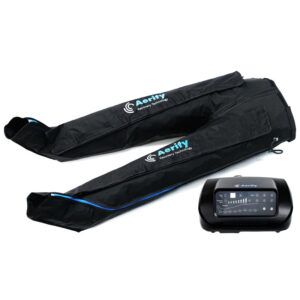
Compression boots, also commonly called lymphatic drainage boots, are devices that use sequential pneumatic compression – controlled air pressure – to rhythmically compress and release the tissues of the legs. The boots contain several air chambers that gradually inflate from the feet towards the thighs, creating controlled pressure on the muscles and soft tissues.
This type of therapy can support lymphatic and venous circulation, help reduce fluid accumulation in the tissues and contribute to the body’s recovery processes.
Compression therapy is not a new invention. It has been used in medicine for decades in the management of lymphoedema, venous conditions, swelling and rehabilitation. In recent years, the technology has also become increasingly popular in sport as a recovery tool following physical activity and to help reduce the sensation of muscular fatigue.
Unlike traditional massage, compression boots provide consistent and precisely controlled pressure that can be adjusted according to the individual user. Modern systems allow you to regulate the pressure level, treatment duration and massage programme, making them suitable for professional athletes as well as people who want to reduce feelings of heaviness or swelling in the legs or simply improve comfort after a long day.
Compression boots or lymphatic drainage boots – are they the same thing?
Yes. Both terms generally refer to the same type of technology. In sport and recovery, the term compression boots is more commonly used, while in medical and rehabilitation settings they are often referred to as lymphatic drainage boots.
In both cases, the system works according to the same basic principle – sequential air compression helps promote lymphatic and venous circulation, which can help reduce the sensation of fatigue and support recovery.
How does lymphatic drainage therapy work?
Lymphatic drainage therapy with compression boots is based on sequential pneumatic compression. During a session, the air chambers inside the boots gradually inflate and deflate, creating rhythmic pressure that progresses from the feet towards the thighs. This sequential compression can support lymphatic and venous circulation, reduce fluid accumulation in the tissues and assist normal metabolic processes within the muscles.
After intensive physical activity, metabolic by-products accumulate in the muscles and a temporary inflammatory response may develop, contributing to fatigue and stiffness. Compression therapy can support the body’s recovery processes while encouraging circulation and the delivery of oxygen and nutrients to the tissues.
This is one of the reasons compression boots are frequently used after training, competitions or long working days when the legs feel tired and heavy.
What does the research say?
Scientific research in recent years suggests that compression therapy may be a useful addition to recovery, particularly after intensive physical exercise. A systematic review and meta-analysis published in 2024 analysed 17 studies involving more than 300 participants and found that compression boots appeared to be most beneficial for reducing subjectively perceived muscle soreness and fatigue after exercise. The effects on athletic performance and muscle function were smaller or moderate.
It is important to remember that compression boots are not a miracle solution and cannot replace quality sleep, adequate nutrition or a properly planned training programme. They are best used as one part of a broader recovery strategy, helping the athlete or active individual feel more comfortable and recover after demanding physical activity.
Who are compression boots suitable for?
Compression boots are not intended only for professional athletes. They may be useful for anyone who regularly places significant demands on their legs or experiences fatigue and heaviness after physical activity or a long working day.
Compression therapy is commonly used by:
- runners and marathon runners;
- cyclists and triathletes;
- football, basketball and other team-sport athletes;
- CrossFit and strength-training enthusiasts;
- people who spend a large part of the day standing or walking;
- people experiencing heaviness or mild swelling in the legs.
Compression boots are also increasingly used at home by people who want to improve comfort after physical activity or simply give their legs a relaxing recovery session after a long working day.
If you have a medical condition or significant swelling, however, it is advisable to consult a doctor or physiotherapist before using compression therapy.

Compression therapy is also regularly used by professional athletes. In the photos – Riga Futsal Club players Ricardinho and Thalles Lima during recovery at the 2023–2024 UEFA Futsal Champions League Elite Round, preparing for matches against FC Barcelona, Étoile Lavalloise and Feldi Eboli. Riga Futsal Club came very close to reaching the UEFA Futsal Champions League Final Four, losing the decisive match 2–3 against FC Barcelona.
When should compression boots not be used?
Although compression therapy is generally well tolerated by many people, there are situations in which compression boots should not be used or where medical advice should be obtained before starting therapy. This is particularly important for people with serious cardiovascular conditions or acute health problems.
Compression boots are not recommended in situations including:
- deep vein thrombosis or suspected thrombosis;
- acute infection or inflammatory conditions affecting the legs;
- severe peripheral arterial disease;
- decompensated heart failure;
- open wounds or significant skin damage in areas covered by the boots.
If you have a chronic medical condition, significant swelling of the legs or are unsure whether compression therapy is appropriate for you, consult a doctor or physiotherapist before using the system.
For recovery purposes in otherwise healthy individuals, compression therapy is generally well tolerated.
How to choose compression boots
There are many different compression boot systems available, and they can vary significantly in both functionality and price. When choosing a device, it is worth considering not only the brand but also its technical capabilities, as these affect both the flexibility of the therapy and ease of use.
When choosing compression boots, consider:
- the number of air chambers;
- the available pressure range;
- the number and type of massage programmes;
- whether individual air chambers can be adjusted or deactivated;
- treatment-duration settings;
- availability of additional garments such as arm sleeves, trousers or shorts;
- medical certification and warranty.
If you plan to use compression boots regularly, particularly for sports recovery, choosing a system with a wider range of adjustments can be worthwhile. This makes it possible to adapt the therapy to different situations and body areas while providing greater flexibility and comfort over the long term.
8 chambers or 4 chambers?
One of the most important specifications to consider when choosing compression boots is the number of air chambers. Systems with 4, 6 or 8 chambers are among the most commonly available options. A larger number of chambers can allow more precise control over pressure distribution and create a smoother progression of compression along the leg.
Four-chamber systems are generally simpler and can be suitable for basic use. Eight-chamber systems can provide a more gradual compression wave, offer a wider range of therapy programmes and allow more precise adjustment of compression across different areas.
These additional adjustment options may be particularly useful for professional athletes and people who use compression therapy regularly.
If you would like to learn more about the advantages of 8-chamber systems, compare different Aerify models and understand their functions in greater detail, we recommend reading our article “Aerify Lymphatic Drainage Boots – Complete Guide to Choosing and Using the Different Models“.
How important is pressure?
One of the most important specifications of a compression boot system is its maximum pressure and how precisely the pressure can be adjusted.
There is no single pressure level that is appropriate for everyone. The most suitable pressure depends on factors such as body structure, muscle mass, the purpose of the session and individual comfort.
People with smaller or slimmer legs may find lower pressure levels sufficient, while athletes with greater muscle mass or those using the system after particularly intensive exercise may prefer higher levels of compression.
For this reason, a good lymphatic drainage system should provide a sufficiently wide pressure range and several intensity settings so that the user can adjust the therapy according to individual requirements.
Just as importantly, the session should feel comfortable. Compression therapy should not cause pain or significant discomfort. If the pressure feels excessively intense, reduce it and gradually adjust the intensity according to your comfort.
Related Articles
📖 When to Use Compression Boots – Before or After Training?
📖 How Do Professional Futsal Players Recover Between Matches? Behind the Scenes of the UEFA Futsal Champions League
📖 BLACKROLL Products – Foam Rollers, Balls and Massage Tools for Everyday Use and Sport
Do All Professional Athletes Use Compression Boots Today, and Do They Really Provide a Significant Benefit?

Aigars Caune
Physiotherapist
Yes, compression therapy has become a common recovery method in many professional sports. It is regularly used by football players, basketball players, cyclists, runners and athletes from many other sports because it can help reduce the sensation of fatigue and support recovery after demanding physical activity. However, it is important to understand that compression boots are not a miracle solution. They cannot replace quality sleep, balanced nutrition or a properly planned training programme. From my experience, they work best as part of an overall recovery routine – together with appropriate movement, well-managed training load and sufficient rest. They are an excellent recovery tool, but they are not the only factor that determines successful recovery.
Recommended Lymphatic Drainage Products


Lymphatic drainage
AERIFY STANDARD Lymphatic drainage system + pants + bag as a gift


Lymphatic drainage
AERIFY CHARGE Lymphatic drainage boot system + backpack as a gift


Lymphatic drainage

Equipment rental
More Product Reviews
Looking for more information about physiotherapy and recovery products? Visit our Product Reviews section, where you will find articles about exercise equipment, lymphatic drainage therapy, fascia massage tools and other products.
Read More