









Rehabilitation
Carpal tunnel syndrome: signs and treatment

Jul
The hand, which only tingled a little yesterday, is already waking up at night today. This is often the moment when a person realizes that carpal tunnel syndrome is not just a theoretical diagnosis, but a very specific everyday problem. The earlier the first signs are recognized, the greater the chance of reducing median nerve irritation and avoiding deterioration of grip strength.
What is carpal tunnel syndrome
The carpal tunnel is a narrow anatomical space in the wrist area through which the median nerve and tendons pass. If pressure increases in this area, the median nerve is compressed, causing numbness, numbness, pain, or weakness in the arm.
Most often, complaints begin gradually. At first, an unpleasant feeling arises after prolonged work with a mouse, tools, or phone. Later, symptoms become more frequent, appear at night, and can interfere with even everyday activities – buttoning up a shirt, holding a cup, or gripping the steering wheel firmly while driving.
This syndrome is not just a problem for office workers. It often affects hairdressers, physiotherapists, assemblers, drivers, athletes, and people who make repetitive hand movements or put prolonged strain on their palms in a bent position.
Carpal tunnel syndrome: early signs
The first symptoms are usually not dramatic, so they can easily be attributed to fatigue. This is where time is often lost. If the unpleasant feelings recur rather than disappear completely, it is worth taking the situation seriously.
The most characteristic first signs are tingling in the thumb, index finger, middle finger, and partial ring finger. Often a person says that the hand seems to “fall asleep.” Symptoms can be more pronounced at night or early in the morning, and brief handshakes often help.
Another sign is a burning or pulling sensation in the palm and forearm. For some, the discomfort remains only in the wrist area, while for others it spreads higher. Sometimes awkwardness appears—items slip out of your hands more often, making it harder to open a jar or hold your phone.
If the pinched nerve is irritated for longer, the grip strength may decrease and the thumb muscles may weaken. This is already a sign that the problem is no longer in its early stages.
When symptoms are particularly suspicious
Carpal tunnel syndrome is strongly characterized by a connection between load and position. Complaints intensify if the palm is bent or tilted back for a long time, for example, when working at a computer, riding a bicycle, holding a child, or sleeping with bent arms.
Suspicions become even more justified if numbness recurs for several weeks, disrupts sleep, or begins to affect hand dexterity. This does not mean that surgery is necessary in every case, but it certainly means that the situation should not be ignored.
Why this syndrome occurs
One specific cause is not always found. Often, it is a combination of several factors. Repetitive movements, prolonged wrist strain, work in an uncomfortable ergonomic position, and insufficient recovery are all important.
Additional risk factors may include swelling, hormonal changes, pregnancy, excess weight, diabetes, thyroid disorders, and inflammatory diseases. For some people, an anatomically narrower canal is also important. Therefore, two people can do a similar job, but symptoms develop in only one.
For this very reason, the treatment is not universal. What helps one person will only provide temporary relief to another.
How the diagnosis is confirmed
If symptoms recur, it is best to consult a doctor or rehabilitation specialist. The specialist will assess the nature of the symptoms, hand strength, sensation, and provoking positions. Sometimes a clinical evaluation is sufficient, but further clarification may require additional tests, such as a nerve conduction test.
This is important because tingling in the hand does not always indicate carpal tunnel syndrome. Similar complaints can also be caused by problems in the neck area, irritation of the ulnar nerve, or other soft tissue inflammations. An accurate diagnosis helps avoid mistakes in treatment. If symptoms appear immediately after a fall or awkward hand movement and include swelling, bruising, or pain radiating to the hand, wrist joint injury should be evaluated. Read more in the article Wrist Spin – How Long Should the Orthosis Be Used?
Carpal tunnel syndrome: treatment options
The good news is that conservative treatment can often help in the early stages. The main goal is to reduce pressure on the median nerve, decrease the inflammatory response, and prevent repeated irritation.
The first step is usually load adjustment. This does not mean complete inactivity, but rather smarter daily adjustments. It is important to reduce prolonged work with a bent palm, change position more frequently, improve the workplace’s ergonomics, and introduce regular breaks.
In many cases, a wrist orthosis is useful, especially for use at night. Its task is to keep the joint in a neutral position so that pressure in the carpal tunnel is not increased during sleep. It is precisely the night orthosis that often provides the first noticeable relief by reducing night tingling and waking up from pain.
If symptoms are related to daily or work loads, flexible support throughout the day can sometimes be useful, but excessive fixation should be avoided. An immobilization regimen that is too strict or prolonged can cause stiffness and is not always the best approach. Therefore, it is worth choosing an orthosis based on the severity of symptoms and the purpose of use.
Physiotherapy and exercises
Physiotherapy is often an important part of treatment, especially if symptoms have not yet caused significant muscle weakness. Its goal is not just to “exercise the arm,” but to improve tissue flow, reduce overload habits, and organize the entire chain of motion from the neck to the palm.
Nerve mobilization exercises, relaxation of the soft tissues of the wrist and forearm, as well as posture and shoulder girdle correction may be used. This is important because hand overload rarely occurs in isolation. If the shoulders are tense and the working posture is poor, the palm also bears greater load.
However, one must be careful with the exercises . If they are performed aggressively or cause more tingling after the session, the load is too great. The principle really works here – less, but more precise.
Anti-inflammatory approach and medical treatment
In some cases, the doctor may recommend anti-inflammatory medications or topical therapy. If symptoms are severe and conservative treatment does not help, injections or surgical treatment may be considered. The goal of the operation is to reduce pressure in the carpal tunnel by cutting the ligament that closes it.
This is not always the first solution, but sometimes it is the most effective, especially if there is persistent numbness, pronounced weakness, or prolonged symptoms. The longer the nerve is pressed, the slower the recovery can be, so waiting too long is not always a wise strategy.
How to help yourself daily
Practical habits often determine whether treatment will be temporary or permanent. If the same provoking factors persist all day, even a good orthosis or exercise can only provide a partial effect.
At first, it is worth paying attention to the palm position at the computer. The keyboard and mouse should be positioned so that the palm is not constantly tilted. Short breaks every 30 to 60 minutes are also useful, during which the arm relaxes, not just shifts it to the phone.
If symptoms worsen during sports or instrument work, the grip width, vibration, and repetition of movements should be evaluated. Sometimes a small change of equipment or additional padding is enough. Sometimes a conscious reduction of the workload for a couple of weeks is necessary.
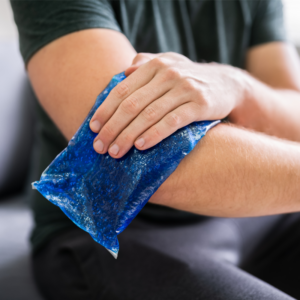
During the recovery period, soft tissue relaxation solutions, cold therapy after exertion or compression, and supportive agents can also be useful if used appropriately. Fiziopreces.lv audience, this principle is familiar – a good aid does not work alone, it works together with proper use.
When you definitely need to seek help sooner
If the hand is numb almost continuously, if the thumb’s strength decreases, or if muscle volume at the base of the big toe begins to disappear, the visit should not be postponed. The same applies to cases where pain and tingling prevent sleep or significantly interfere with work.
Faster help is also needed when it is unclear whether the problem is really in the palm of the hand. The earlier the cause is understood, the more precise the treatment will be and the lower the risk of entering a long cycle of pain.
The most important thing is not to wait until the tingling becomes a constant background. Carpal tunnel syndrome often begins silently, but it is precisely at an early stage that it is easier to control with reasonable exercise adjustments, physiotherapy, and properly chosen support. If your hand is already signaling, it’s worth responding to it in time, rather than when simple actions start to require too much effort.
Related articles
📖 Home rehabilitation equipment: what to choose
📖 Golfer’s elbow: how to recognize, treat, and prevent pain inside the elbow
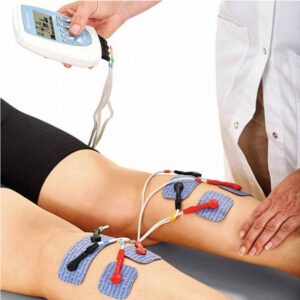
📖 TENS procedure – for pain relief
Can carpal tunnel syndrome return after symptoms subside?

Aigars Caune
physiotherapist
Yes, symptoms can return if a person returns to the same load after improvement without changes in working posture, pauses, or wrist strain. Therefore, it is important not only to reduce tingling but also to understand what regularly irritates the nerve daily.
Recommended Products


Orthosis and compression clothing


For gymnastics


For children

Exercise bands and espanders
More articles about rehabilitation
Interested in more information about rehabilitation? Check out our rehabilitation guide, where you will find articles about recovery after injuries and surgeries, rehabilitation exercises, physiotherapists’ recommendations, and the path to a safe return to daily activities and sports.
View rehabilitation guide